What to Expect During a Root Canal
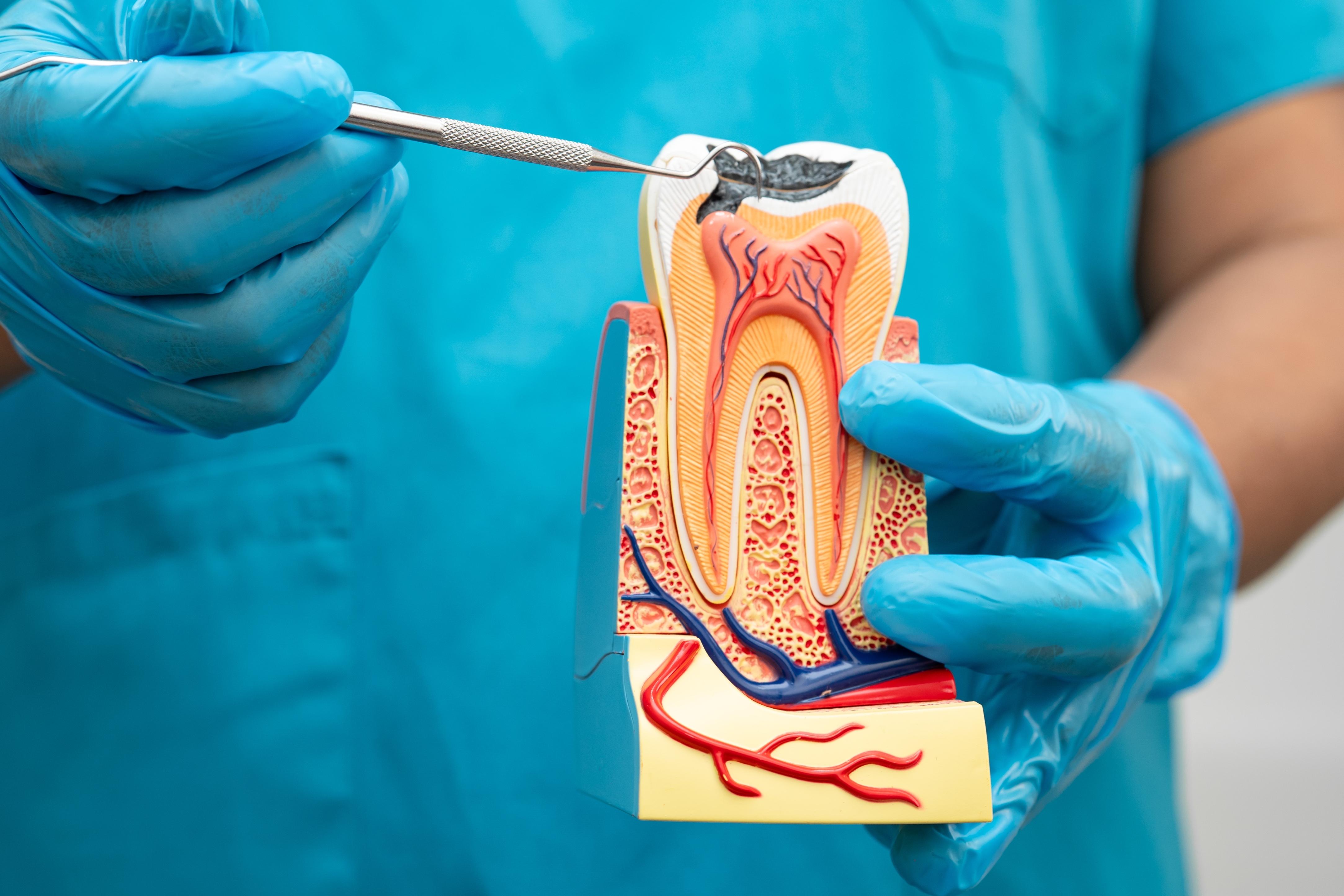
Root Canals Are Designed To Save Your Tooth
A root canal can sound intimidating, but the goal of treatment is simple - to remove infection or inflammation inside the tooth and help you keep your natural smile. For patients in Atlanta, a root canal may be recommended when the soft tissue inside the tooth, called the pulp, becomes damaged due to deep decay, a crack, trauma, or repeated dental work.
At Midtown Dental Center, we understand that many patients feel nervous when they hear they need root canal treatment. Knowing what to expect can make the process feel more manageable and less stressful.
Why You May Need A Root Canal
A root canal is often needed when bacteria reach the inner part of the tooth. Once the pulp becomes infected or inflamed, the discomfort may not go away on its own. In some cases, symptoms come and go, while in others, pain can become more constant.
Signs that may point to the need for a root canal include tooth pain, lingering sensitivity, swelling, gum tenderness, or discomfort when biting. Some patients may also notice discoloration in the affected tooth. If you are experiencing these symptoms in Atlanta, it is important to schedule an exam before the infection spreads or the tooth becomes harder to save.
The Exam And Diagnosis
Before beginning treatment, we evaluate the tooth and surrounding area. This may include a dental exam, X-rays, and a discussion about your symptoms. The goal is to confirm whether the tooth pulp is affected and determine if a root canal is the right treatment.
We also take time to explain the process, answer questions, and help you feel comfortable before moving forward. A root canal is not recommended unless it is necessary to treat the problem and preserve the tooth.
What Happens During The Procedure
During a root canal, the area around the tooth is numbed to help keep you comfortable. Once the tooth is fully numb, the dentist creates a small opening to access the infected or inflamed pulp. The damaged tissue is removed, and the inside of the tooth is carefully cleaned and shaped.
After the canals are cleaned, they are filled with a dental material to seal the space and reduce the risk of reinfection. In many cases, a temporary filling is placed until the tooth can be restored with a permanent filling or crown.
How A Root Canal Can Help
Root canal treatment is intended to remove the source of infection while keeping the natural tooth in place. When successful, it can help relieve pain and restore function.
A root canal may help:
- Ease tooth pain caused by infected or inflamed pulp
- Stop infection from spreading to nearby areas
- Preserve your natural tooth structure
- Restore your ability to bite and chew comfortably
- Prevent the need for tooth extraction
- Support long-term oral health when followed by proper restoration
For many Atlanta patients, saving the natural tooth is often the best option when possible.
What To Expect After Treatment
Some tenderness after a root canal is normal, especially if the tooth was painful before treatment. This discomfort is usually temporary and can often be managed with the instructions provided by your dentist. You may be advised to avoid chewing on the treated tooth until the final restoration is complete.
A crown is commonly recommended after a root canal, especially for back teeth that handle strong chewing forces. The crown helps protect the tooth, restore strength, and reduce the risk of future cracks or damage.
Root Canals Are More Comfortable Than Many People Expect
Modern root canal treatment is much more comfortable than many patients imagine. The procedure is performed with local anesthesia, and the purpose is to relieve pain caused by infection rather than create more discomfort.
If dental anxiety has kept you from seeking care, let us know. Our team works with patients to create a calm, supportive experience and help them understand each step of the process.
When To Call A Dentist
Tooth pain should not be ignored, especially if it is severe, persistent, or paired with swelling. The sooner a problem is evaluated, the more options you may have for saving the tooth. Whether your symptoms are mild or urgent, a dental exam can help determine the cause and the right next step.
For root canal treatment in Atlanta, contact Midtown Dental Center at 650 Ponce De Leon Ave. Suite 600B, Atlanta, GA 30308 by calling (404) 874-0800.


Powered by: