Blog
Midtown Dental Center Blog
Learn more about dental care in our blog!
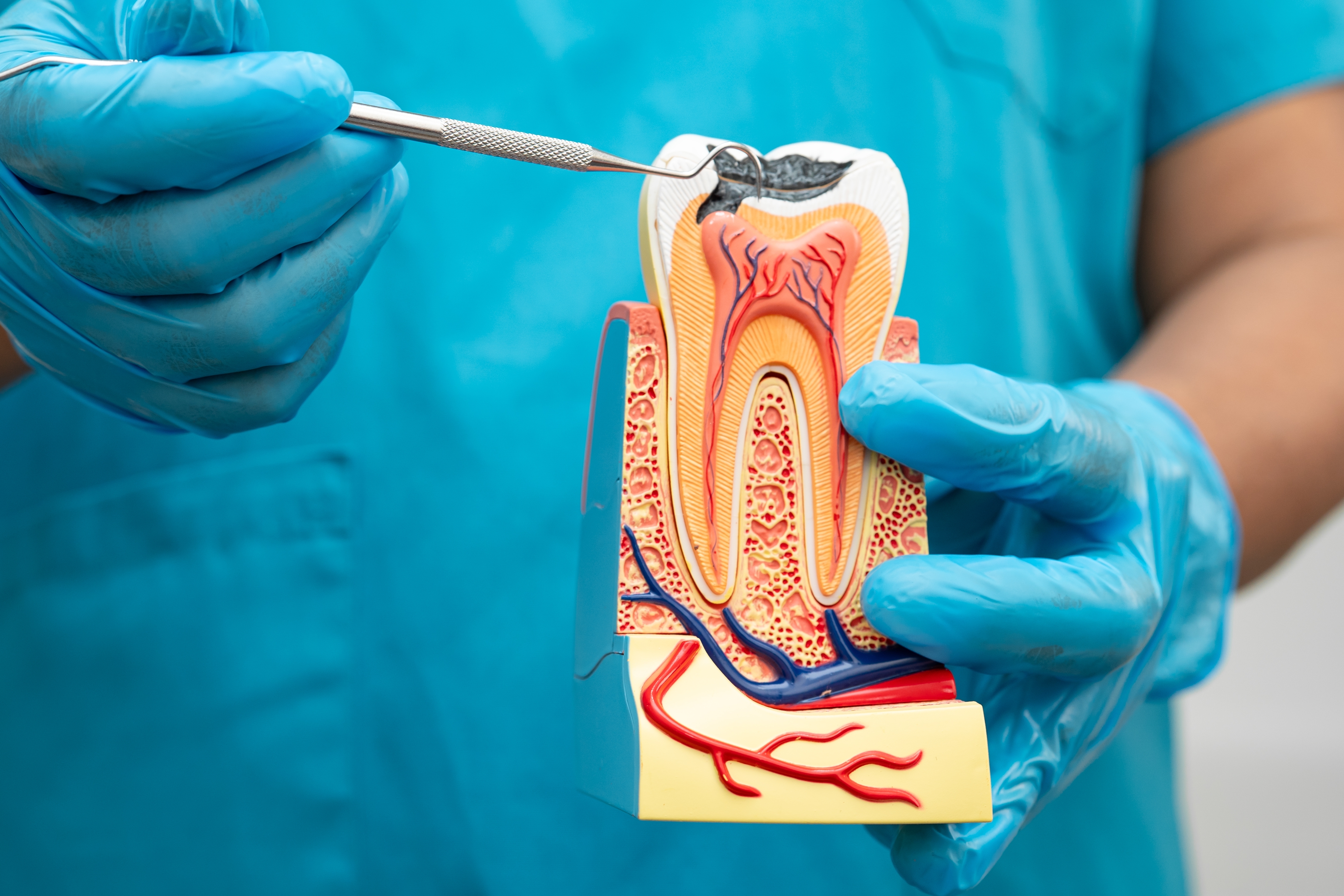
A root canal can sound intimidating, but the goal of treatment is simple - to remove infection or inflammation inside the tooth and help you keep your natural smile. For patients in Atlanta, a root canal may be recommended when the soft tissue inside the tooth, called the pulp, becomes damaged due to deep decay, a crack, trauma, or repeated dental work.

In-office teeth whitening is one of the fastest ways to brighten your smile. While results can vary from person to person, many patients enjoy a noticeably whiter smile for several months to a few years with the right maintenance. For patients in Atlanta, in-office teeth whitening can be a good option before special events, professional photos, weddings, interviews, or simply to refresh the look of your smile.
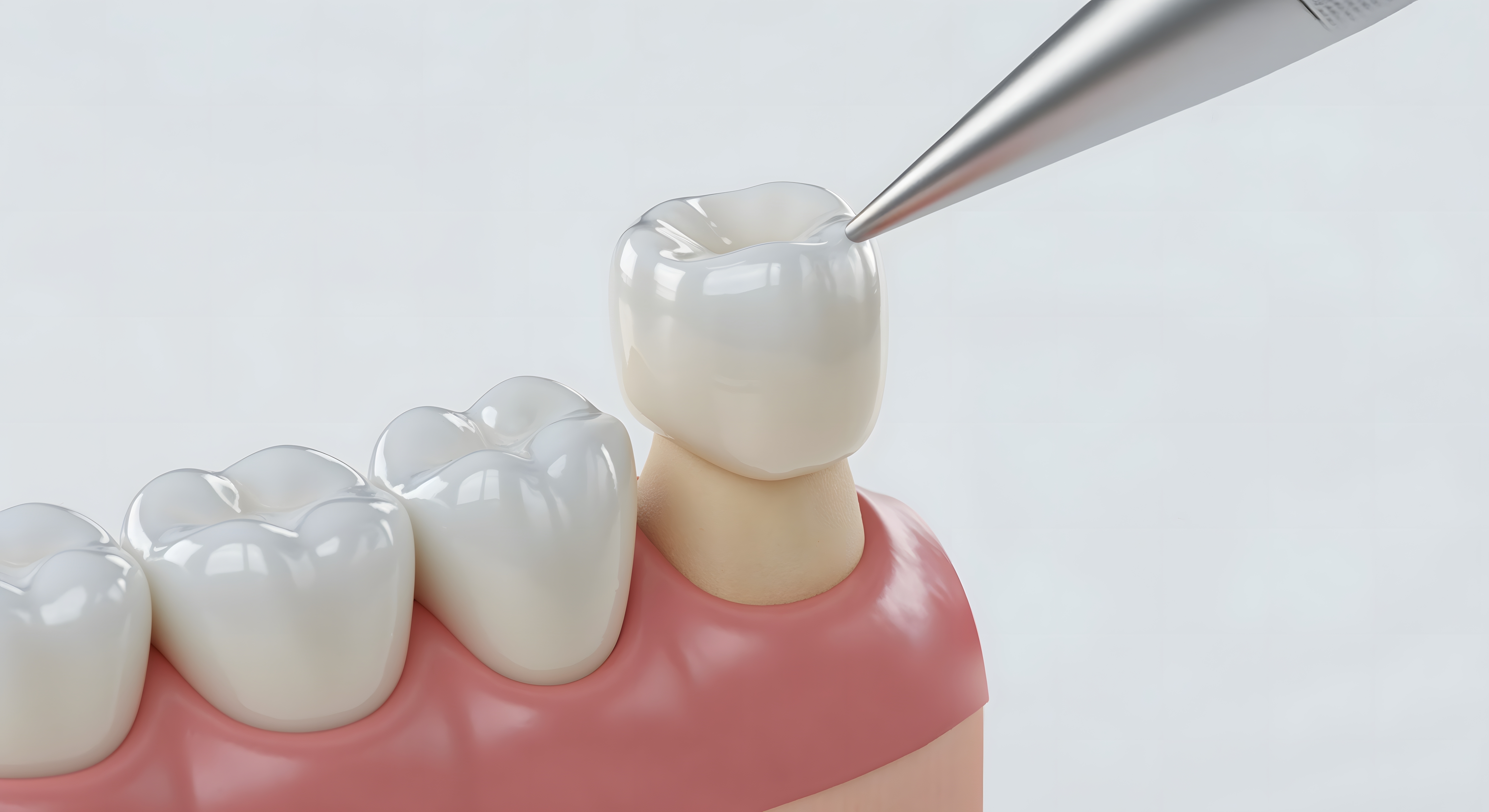

Many people think oral health starts and ends with their teeth, but it affects much more than that. Your mouth is closely connected to the rest of your body, which means problems like gum inflammation, tooth decay, and oral infections can influence your comfort, nutrition, and overall wellness. Research also shows strong links between oral health and conditions such as diabetes and cardiovascular disease.

Seeing your dentist regularly is one of the simplest ways to protect your oral health. Even if your teeth feel fine, many dental problems can develop quietly. Cavities, gum disease, and enamel wear often start with mild or no symptoms, which is why routine dental visits matter.

A dental implant is meant to replace a missing tooth from the root up. Instead of relying on a removable option, the implant is placed in the jawbone and paired with a custom restoration to help restore function, appearance, and long-term stability. For many patients, this makes dental implants a dependable option for eating, speaking, and smiling with more confidence.

Dental fillings are one of the most common and effective ways to restore teeth affected by cavities or minor damage. While fillings are durable, they are not permanent. Understanding how long different types of dental fillings last can help you make informed decisions about your oral health and know when it may be time for a replacement.

A bright, white smile can boost your confidence and leave a lasting impression. If you’ve been considering teeth whitening, you’ve likely come across two main options: professional in-office treatments and over-the-counter at-home solutions. While both can improve the appearance of stained or discolored teeth, there are important differences in effectiveness, safety, and long-term results.

Wisdom teeth, also known as third molars, usually emerge in the late teens or early twenties. While some people never experience problems with them, many patients eventually need their wisdom teeth removed to protect their oral health. Knowing the warning signs can help you take action before discomfort turns into a more serious issue.

Temporomandibular joint disorder (TMJ or TMD) affects the joints and muscles that control jaw movement. For many people, TMJ causes chronic jaw pain, headaches, facial soreness, clicking or popping sounds, and difficulty chewing or opening the mouth fully. Botox has emerged as a modern, non-surgical option that can provide relief for patients with persistent TMJ symptoms.


Powered by: